
EU REGULATIVES
& STANDARDS
Navigating the Future of Sustainable Textile Value Chains
Strategic Compliance
for Global Markets
As the textile industry undergoes a radical transformation, staying informed about the evolving regulatory landscape is essential for competitiveness.
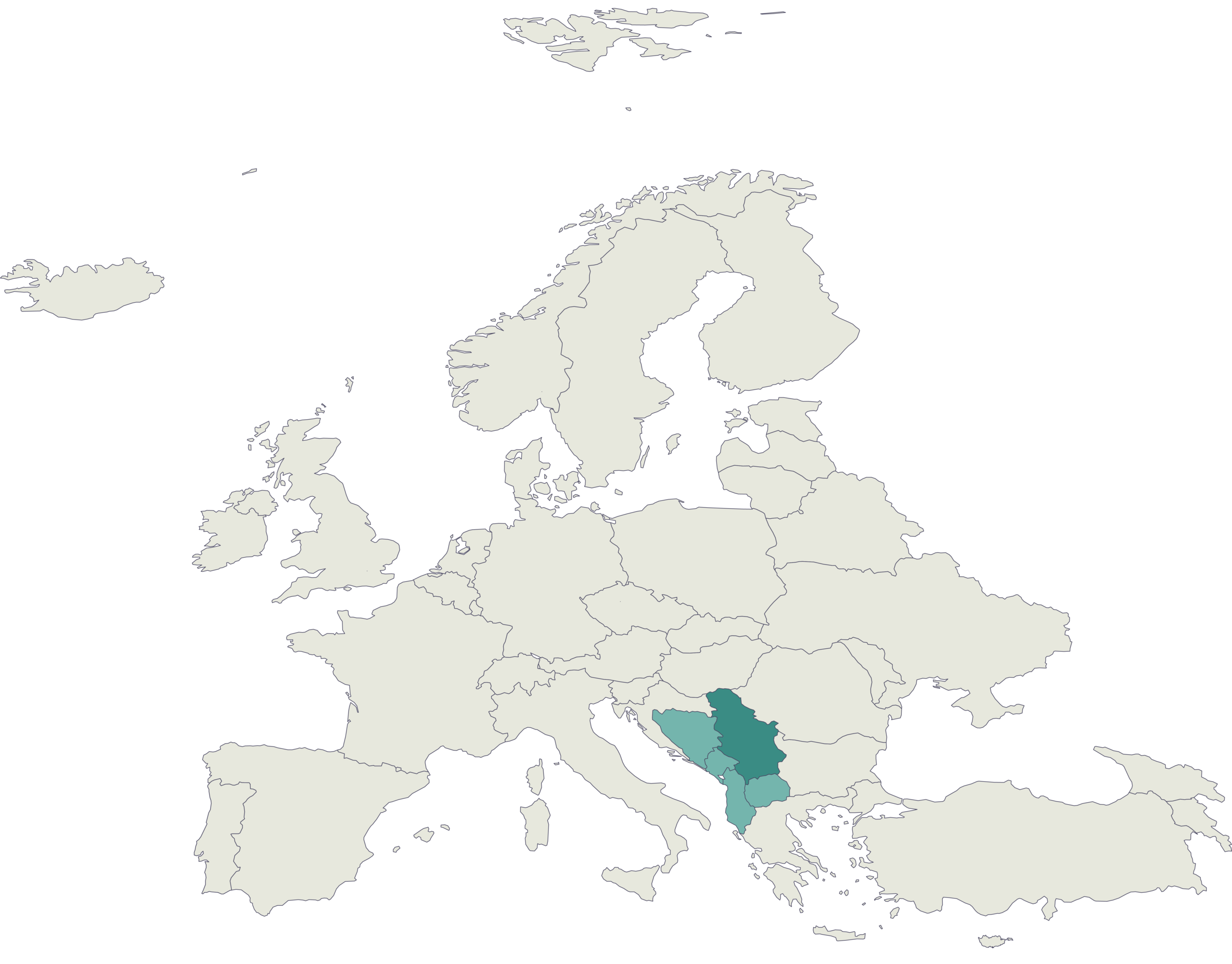
We provide a comprehensive overview of the key EU regulations impacting the textile sector across the EU, Serbia, and the Western Balkans, ensuring your business is prepared for the green transition.
KEY REGULATIONS
IN THE TEXTILE INDUSTRY
The Foundation
The European Green Deal
The European Green Deal is the EU’s roadmap for making the economy sustainable.
It aims for climate neutrality by 2050 through a circular economy model where growth is decoupled from resource use.
For the textile industry, this represents a fundamental shift in production, consumption, and waste management.
Impact on the Industry
Ecodesign for Sustainable Products Regulation (ESPR)
Focus Areas:
Durability & Repairability: Establishing new requirements to ensure products last longer and are easier to maintain.
Digital Product Passport (DPP): A mandatory digital identity for products to improve transparency, traceability, and compliance across the value chain.
Recycled Content: Driving the demand for secondary raw materials in textile manufacturing.
Ban on Destruction of Unsold Goods: Specifically targeting the textile and footwear sectors to eliminate wasteful practices.
Sector Specific
Waste Framework Directive (WFD)
Mandatory EPR for Textiles: The 2025 revision introduces mandatory Extended Producer Responsibility (EPR) schemes across the EU, making producers financially and operationally responsible for the entire lifecycle of textile products.
Separate Collection by 2025: Member States are required to establish separate collection systems for textile waste starting from January 2025.
Circular Economy Goals: The directive aims to reduce the environmental impact of textile waste by prioritizing waste prevention, high-quality sorting, and fiber-to-fiber recycling.
Corporate Sustainability Due Diligence Directive (CSDDD)
Mandatory EPR for Textiles: The 2025 revision introduces mandatory Extended Producer Responsibility (EPR) schemes across the EU, making producers financially and operationally responsible for the entire lifecycle of textile products.
Separate Collection by 2025: Member States are required to establish separate collection systems for textile waste starting from January 2025.
Circular Economy Goals: The directive aims to reduce the environmental impact of textile waste by prioritizing waste prevention, high-quality sorting, and fiber-to-fiber recycling.
REACH Regulation
Chemical Safety: The primary EU framework for the Registration, Evaluation, Authorisation, and Restriction of Chemicals, ensuring a high level of protection for human health and the environment.
Restricted Substances in Textiles: Regulates the use of hazardous chemicals (SVHCs) common in textile manufacturing, such as azo dyes, phthalates, and heavy metals.
Right to Know: Grants consumers the right to information regarding the presence of hazardous substances in the products they purchase, promoting transparency in the textile supply chain.
Regional Integration
Green Agenda for the Western Balkans
Based on the Sofia Declaration, countries in the Western Balkans have committed to aligning their policies with the EU Green Deal.
This regional framework facilitates the transition to a circular economy, de-risks investments, and prepares local companies for integration into the EU’s Single Market.
Local Impact
Serbia’s Circular Roadmap
Following the Roadmap for Circular Economy in Serbia, the textile industry is identified as a priority sector.
Focus is on harmonizing local manufacturing practices with EU standards to ensure Serbian exports remain compliant and competitive in international markets.
